Starting a business is an exciting opportunity, but turning an idea into a legally recognized company requires proper planning and registration. Business registration is one of the most important steps for entrepreneurs because it provides legal recognition, builds credibility, allows access to financial services, and helps businesses operate according to government regulations.
Whether someone wants to start a small local business, an online store, a service-based company, or a growing startup, understanding the registration process makes the journey smoother. Proper registration also helps business owners protect their interests, maintain financial transparency, and create opportunities for future expansion.
This complete guide explains the business registration process step by step, covering important requirements, different business structures, necessary documents, benefits, and common mistakes beginners should avoid.
What Is Business Registration?
Business registration is the official process of recording a business with the appropriate government authority. It legally recognizes the business and allows it to operate under established rules and regulations.
A registered business receives an official identity that separates business activities from personal activities. Depending on the selected business structure, registration may provide benefits such as legal protection, tax advantages, easier access to funding, and improved customer trust.
The exact registration process varies depending on the country, state, and type of business. However, most registration systems involve selecting a business structure, preparing documents, submitting applications, and completing legal requirements.
Why Business Registration Is Important
Registering a business provides several advantages for entrepreneurs.
A registered business appears more professional and trustworthy to customers, suppliers, and investors. Many clients prefer working with legally recognized companies because registration demonstrates reliability and accountability.
Business registration also helps entrepreneurs access banking facilities, business loans, government schemes, and investment opportunities.
Legal recognition allows businesses to enter contracts, hire employees, protect brand identity, and expand operations more effectively.
Operating without proper registration may create legal challenges, financial limitations, and difficulties in building a long-term business.
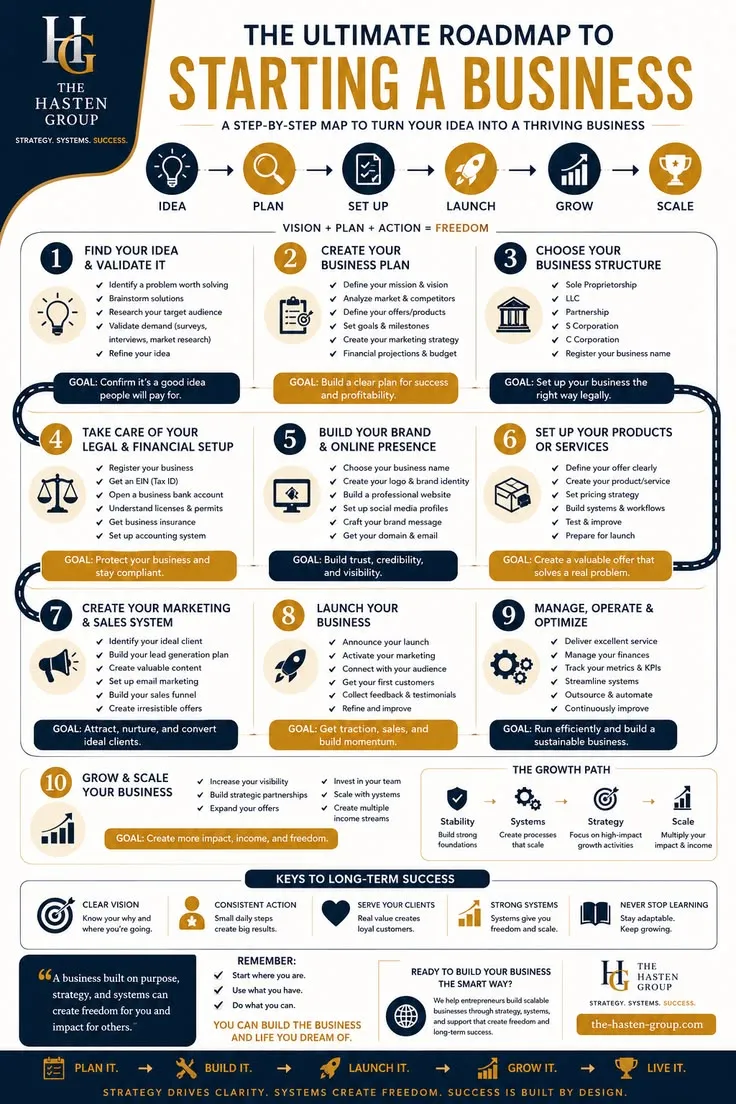
Step 1: Choose the Right Business Structure
The first step in business registration is selecting the appropriate business structure. The choice depends on factors such as business size, ownership, investment requirements, liability concerns, and future goals.
Common business structures include:
Sole Proprietorship
A sole proprietorship is owned and managed by one individual. It is one of the simplest business structures and is often suitable for small businesses, freelancers, and independent professionals.
The owner has complete control over decisions, but personal and business liabilities may not be separate.
Partnership Firm
A partnership business involves two or more individuals who agree to share ownership, responsibilities, profits, and losses.
Partnership agreements usually define each partner’s role and contribution.
Limited Liability Company or Private Company
A limited liability structure provides separation between business and personal assets. It is commonly preferred by businesses planning growth, investment, and expansion.
Corporation or Other Legal Entities
Large businesses may choose more complex structures based on taxation, ownership, and regulatory requirements.
Choosing the correct structure is important because it affects taxation, legal responsibility, and future opportunities.
Step 2: Select a Business Name
Choosing a business name is another important part of the registration process.
A good business name should be unique, easy to remember, relevant to the industry, and suitable for future growth.
Before finalizing the name, entrepreneurs should check whether it is already being used by another registered business.
A suitable name helps create brand identity and makes it easier for customers to recognize the company.
Many businesses also consider securing trademarks or intellectual property protection to safeguard their brand.
Step 3: Prepare Required Documents
Business registration requires several documents to verify the identity of owners and provide information about the business.
Commonly required documents may include:
Owner identification documents, proof of address, business address details, ownership agreements, partnership documents, and information about business activities.
Companies with multiple owners may require additional documents outlining ownership shares, responsibilities, and management structure.
Preparing accurate documents before applying helps reduce delays during registration.
Step 4: Register the Business With the Appropriate Authority
After selecting the business structure and preparing documents, the next step is submitting the registration application to the relevant government authority.
The application usually includes details such as:
Business name, owner information, business address, nature of activities, ownership details, and supporting documents.
Many countries now provide online registration systems that allow entrepreneurs to complete applications digitally.
After reviewing the application, authorities issue official registration documents confirming that the business has been legally recognized.
Step 5: Obtain Necessary Licenses and Permits
Business registration alone may not always allow a company to operate in every industry.
Certain businesses require additional licenses, approvals, or permits depending on their activities.
For example, businesses involved in food services, healthcare, finance, manufacturing, transportation, or environmental activities may require industry-specific permissions.
Obtaining the correct licenses ensures compliance with legal requirements and helps avoid penalties.
Step 6: Open a Business Bank Account
A separate business bank account is an important step after registration.
Keeping business and personal finances separate improves financial management, accounting accuracy, and tax reporting.
A business bank account also creates a professional image when dealing with customers, suppliers, and financial institutions.
It helps entrepreneurs track income, expenses, payments, and overall business performance more effectively.
Step 7: Understand Tax Registration Requirements
Businesses generally need to understand their tax responsibilities after registration.
Depending on the location and business structure, companies may need to register for specific taxes, maintain financial records, and submit required reports.
Proper tax management helps businesses remain compliant and avoid unnecessary legal problems.
Many entrepreneurs work with accountants or financial professionals to understand tax obligations and maintain accurate records.
Step 8: Maintain Proper Business Records
After registration, maintaining organized business records is essential.
Important records may include sales information, expenses, invoices, employee details, contracts, and financial statements.
Accurate record-keeping helps business owners evaluate performance, make better decisions, and prepare required reports.
Good documentation also supports transparency and improves financial planning.
Common Mistakes Beginners Should Avoid
Many new entrepreneurs make mistakes during the registration process that can create future challenges.
One common mistake is choosing the wrong business structure without considering long-term goals.
Another mistake is failing to research legal requirements or ignoring necessary licenses.
Using inaccurate information during registration can delay approval.
Some business owners also mix personal and business finances, making accounting more difficult.
Taking time to understand requirements before registering helps prevent these problems.
Benefits of Having a Registered Business
A registered business provides several long-term advantages.
It increases customer confidence because people often prefer dealing with legitimate companies.
Registration can improve access to funding opportunities and partnerships.
Businesses can build stronger relationships with suppliers and larger organizations.
A registered company also has better opportunities for expansion, hiring employees, and developing a recognizable brand.
Legal recognition creates a stronger foundation for sustainable growth.
Role of Technology in Business Registration
Technology has simplified the business registration process significantly.
Online portals allow entrepreneurs to submit applications, upload documents, and track registration status from anywhere.
Digital systems reduce paperwork, save time, and make the process more accessible.
Technology also supports businesses after registration through digital accounting tools, online banking, and automated compliance solutions.
Modern entrepreneurs can use digital resources to manage both registration and daily operations more efficiently.
Tips for a Smooth Registration Process
Entrepreneurs can make the registration process easier by following a few important steps.
Research the requirements before starting the application.
Choose a business structure that matches current needs and future plans.
Prepare all documents carefully and provide accurate information.
Maintain copies of registration records and legal documents.
Seek professional advice when dealing with complex business structures or regulations.
Proper preparation reduces delays and creates a stronger business foundation.
Conclusion
Business registration is a crucial step for anyone planning to start a professional and legally recognized business. It provides credibility, legal protection, financial opportunities, and a foundation for long-term growth.
The process involves choosing the right business structure, selecting a name, preparing documents, completing registration, obtaining necessary approvals, and maintaining proper records.
For beginners, understanding each step makes the process easier and helps avoid common mistakes. A properly registered business is not only a legal requirement in many cases but also an important investment in building a successful and trustworthy organization.
By completing registration carefully and maintaining compliance, entrepreneurs can focus on growing their ideas into sustainable businesses and creating long-term value.