
Prahaar: The Untold Story of Ujjwal Nikam has opened to mixed reactions on social media following its theatrical release on October 16. Viewers have widely praised the performances, particularly Rajkummar Rao’s portrayal of public prosecutor Ujjwal Nikam, and the intensity of the courtroom sequences. At the same time, several responses have pointed to pacing issues, an uneven screenplay and questions about whether the film will connect with a broader cinema audience.
Directed by Avinash Arun and produced by Dinesh Vijan under Maddock Films, the film focuses on Nikam’s role in the legal battle that followed the 2008 Mumbai terror attacks, centred on the trial of Ajmal Kasab. The cast also includes Wamiqa Gabbi, Jaideep Ahlawat, Lalit Prabhakar, Sikandar Kher and Ashish Vidyarthi.
Strong Praise for Courtroom Sequences and Performances
Many early reactions have highlighted the film’s legal sequences as its strongest element. Viewers described the courtroom arguments as gripping and emotionally charged, noting that the film succeeds in showing how the prosecution pieced together evidence and pursued conviction. One response called it a “gripping, emotionally charged courtroom drama that shakes you to the core,” praising the writing, powerhouse performances and razor-sharp legal exchanges.
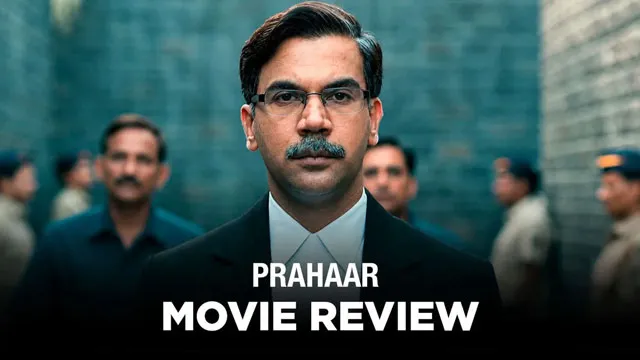
Rajkummar Rao’s performance has drawn consistent appreciation. Several users described it as intense and committed, with some calling it a masterclass or one of his strongest recent turns. Comments focused on his ability to convey the prosecutor’s determination during key arguments and the way he carried the weight of the case on screen. Supporting performances also received positive mentions. Lalit Prabhakar’s portrayal of Kasab was singled out by some as particularly effective, while Wamiqa Gabbi, Jaideep Ahlawat and others were noted for adding texture to the narrative.
A number of viewers appreciated the film’s decision to focus on the trial itself rather than retelling the attacks in familiar ways. One reaction observed that while many films have covered the events of 26/11, fewer have examined the courtroom process that followed, and Prahaar fills that gap with visible research and attention to detail.
Criticisms Around Pacing and Structure
Alongside the praise, a clear strand of criticism has emerged around the film’s length and narrative flow. Several viewers felt the story loses momentum outside the courtroom, with detours that slow the overall pace. One detailed response rated the film 2.5 out of 5 and described it as a decent attempt that contains powerful speeches but suffers from pacing problems. The same viewer suggested the film might have been more gripping had it been tighter and closer to two hours.
Other reactions called the execution uneven or strictly average, arguing that the important subject matter was not always matched by consistent cinematic force. Some felt the screenplay meanders and that certain sections test patience. A few comments also noted that supporting characters, including Wamiqa Gabbi’s role, appeared underutilised relative to the central legal drama.
These mixed responses reflect a common pattern with films that tackle real events of national significance: strong individual elements receive recognition, while questions about overall shape and emotional impact remain.
Focus on the Trial and Real-Life Context
The film’s decision to centre the Kasab trial has been both a point of appreciation and a source of discussion. Supporters valued the detailed look at legal procedure, evidence and the long process that led to conviction. The portrayal of due process and the challenges of building a case under intense public scrutiny resonated with those who felt this angle had been underrepresented on screen.
At the same time, some responses suggested the film remains caught between courtroom drama and personal biography, without fully resolving the balance. The inclusion of family elements, particularly the father-son relationship, was noted by some as adding emotional texture, while others felt these strands diluted the legal intensity.
Box-Office Questions and Audience Reach
Beyond the artistic reactions, several online comments have raised practical questions about the film’s commercial prospects. As a serious courtroom drama rooted in a well-known national tragedy, Prahaar enters a market where audience preferences often favour lighter or more mass-oriented entertainments. Early trade discussions have projected a modest opening-day range, reflecting caution about how widely the film will travel beyond viewers already interested in the subject.
Some responses expressed hope that strong word of mouth around the performances and legal sequences could help the film find its audience over the weekend and beyond. Others remained sceptical, noting that even well-regarded serious dramas sometimes struggle to convert critical interest into sustained box-office numbers.
A Film That Divides on Execution
The overall picture emerging from early social media reactions is one of divided but engaged responses. Rajkummar Rao’s commitment to the role and the power of the courtroom sequences form a clear consensus of strength. The research behind the legal narrative and the decision to focus on the trial process have also been widely acknowledged.
Where opinions diverge is on how successfully the film sustains its intensity across its full runtime and how effectively it balances the demands of courtroom procedure with personal and emotional layers. For some, the result is a powerful and necessary account of a defining legal battle. For others, it remains a sincere but uneven effort that does not fully capitalise on the weight of its subject.
As Prahaar continues its theatrical run, these early reactions provide a useful snapshot of how audiences are receiving a film that attempts to revisit a painful chapter of recent history through the lens of the courtroom. The performances, particularly Rao’s, appear to be the element most consistently carrying the film for viewers, while questions of pace and structure continue to shape the broader conversation around its impact.
Read more – insurancesach.com