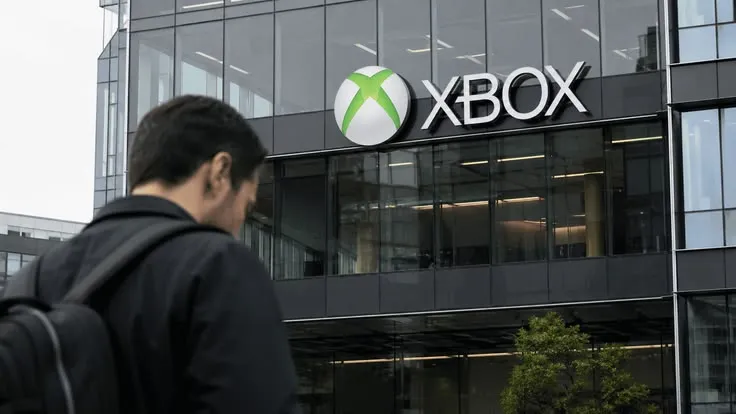
Microsoft’s Xbox division is preparing to eliminate hundreds of positions in the coming days, according to people familiar with the plans. The move represents a further step in a broader restructuring that began earlier this year under Xbox CEO Asha Sharma, who has set a clear target of returning the business to growth by the end of the 2027 financial year.
Latest Round of Reductions
Reports indicate that Xbox will cut hundreds of jobs this week while also consolidating or streamlining certain game studios. The reductions form part of an ongoing effort to lower costs, sharpen focus and improve profitability. An Xbox spokesperson had not issued an immediate public comment on the specific latest plans at the time the reports emerged.
These cuts follow a significant round of layoffs announced in July 2026. At that time, Sharma informed staff that the division would eliminate approximately 1,600 roles immediately, with further reductions planned over the course of the fiscal year. The overall goal outlined then was a reduction of roughly 3,200 positions—about 20 per cent of the Xbox workforce—by the end of fiscal 2027. Several studios were also spun off or prepared for sale as part of that earlier phase.
Strategic Direction Under Asha Sharma
Sharma took charge of Xbox earlier in 2026 and quickly initiated what she described as a necessary reset. Internal communications have emphasised that the business had grown its platform teams substantially even as player numbers and engagement in some areas lagged. Profit margins were reported to be well below those of comparable platform and publishing peers.
The current strategy prioritises investment in the company’s largest and most established franchises, including major titles linked to The Elder Scrolls and Fallout universes. At the same time, the organisation has been reducing its footprint in smaller studios acquired during earlier expansion phases. The aim is a more focused portfolio and a leaner operating structure capable of delivering stronger financial results.
Sharma has publicly and internally framed the changes as essential for long-term competitiveness. She has set an explicit objective of returning Xbox to both player growth and revenue growth by the close of the 2027 financial year, while also bringing profit margins back in line with industry averages. Every function and studio, according to her guidance, is expected to contribute to that outcome.
Context of Industry Pressures
The video game sector has faced a challenging environment in recent years, marked by rising development costs, shifting player habits, hardware pricing pressures and intense competition across consoles, PC and mobile. Subscription services such as Xbox Game Pass remain central to Microsoft’s strategy, yet the broader business has not expanded at the pace once anticipated following major acquisitions.
Microsoft’s larger corporate focus on artificial intelligence infrastructure has also influenced capital allocation decisions across the company. Against that backdrop, the Xbox organisation is being reshaped to operate with greater discipline and clearer priorities.
Impact on Studios and Organisation
Beyond headcount reductions, the restructuring has involved changes to the studio landscape. Several development teams have been moved toward independence or new ownership arrangements, while remaining internal studios are being aligned more tightly around core franchises and high-potential projects. Management layers are being flattened to improve speed and accountability.
These adjustments inevitably affect employees, creative pipelines and local gaming communities connected to the affected studios. Microsoft has previously indicated that some studio transitions were structured to allow continued work on key titles under new arrangements, though the human cost of repeated reduction rounds remains significant.
Path to 2027 Goals
Sharma’s stated timeline gives the organisation roughly a year from the major July announcements to demonstrate tangible progress on growth and profitability. Success will depend on the performance of major upcoming releases, the efficiency of the streamlined studio system, the continued appeal of Game Pass, and the ability to attract and retain players across hardware and digital platforms.
The latest planned job cuts suggest that the reset is still in an active phase rather than a completed process. Further refinements to structure, portfolio and cost base appear likely as the division works toward the financial-year 2027 targets.
Broader Implications
For the wider industry, Xbox’s restructuring is one of several examples of large gaming organisations recalibrating after years of rapid expansion and acquisition-driven growth. The emphasis on fewer, bigger bets and tighter operational control reflects a more cautious capital environment.
For Microsoft, the outcome of Sharma’s plan will influence how the gaming business sits within the company’s overall portfolio. Sustained improvement in margins and a return to growth would strengthen the case for continued investment. Persistent underperformance could revive earlier internal discussions about alternative structures for the division.
As the latest round of job reductions takes effect, attention will turn to how Xbox balances cost discipline with the creative output required to compete in a crowded entertainment market. The coming months will provide the first clear indicators of whether the reset is positioning the business for the growth Sharma has targeted by the end of 2027.
Read more – leventescortq.com