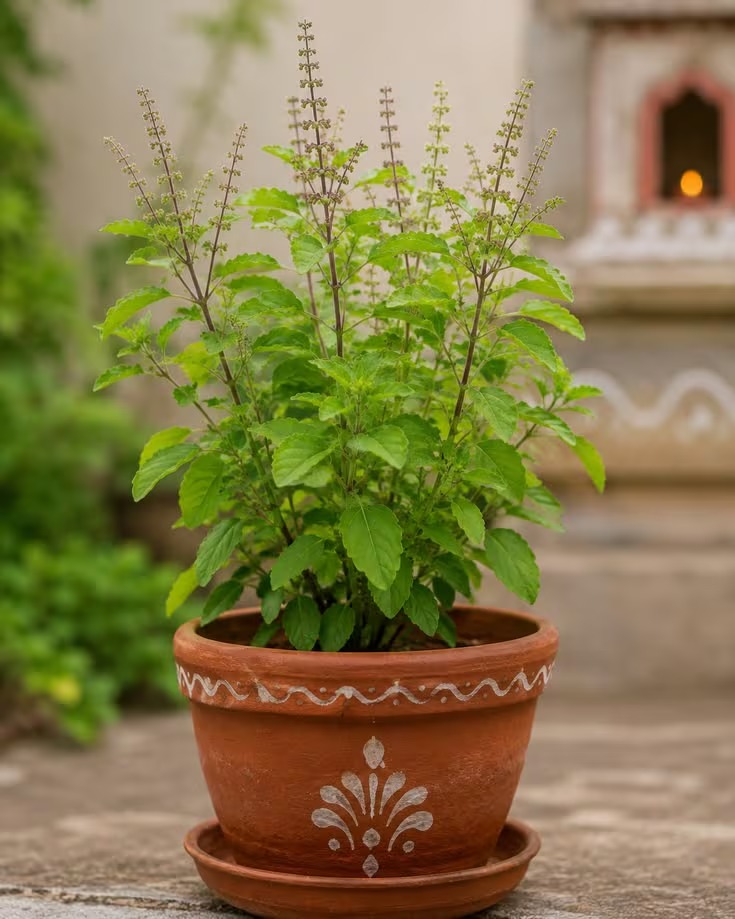
Tulsi leaves have been part of Indian households for generations, especially in traditional wellness practices. Tulsi leaves benefits are often linked with antioxidant, anti-inflammatory, metabolic, and stress-related effects, although human research is still limited in several areas.
Many people simply pluck a few fresh leaves and chew them after waking up, usually before breakfast. The habit is simple, inexpensive, and easy to follow, but it is worth understanding what science actually says instead of treating tulsi as a cure for every health problem.
Why Tulsi Gets So Much Attention
Holy basil, commonly called Tulsi or Ocimum sanctum, contains several naturally occurring plant compounds, including polyphenols, flavonoids, and phenolic acids. These compounds have shown antioxidant and anti-inflammatory activity in laboratory and preclinical research.
Human studies have also explored tulsi for areas such as metabolic health, stress, cognition, and cardiovascular factors. A systematic review covering human studies found potentially favorable outcomes across several of these areas, while also noting that more research is needed to establish appropriate doses and identify who benefits most.
So, chewing fresh leaves in the morning can be viewed as a traditional wellness habit rather than a guaranteed medical treatment.
1. May Support Better Stress Management
Stress is probably one of the most discussed areas surrounding holy basil. Traditional use has long associated tulsi with helping the body handle physical and mental stress, and some human research has explored these effects.
One clinical study involving holy basil extract reported improvements in measures related to generalized anxiety, stress, and depression. Another placebo-controlled study involving healthy adults examined cognitive and stress-related parameters after daily holy basil extract use.
That does not mean chewing two or three leaves will immediately remove anxiety or daily pressure. The research has generally involved specific extracts and measured doses, which are different from casually eating fresh leaves.
Still, including tulsi as part of a balanced morning routine may be a reasonable traditional practice for healthy adults.
2. May Help Support Blood Sugar Balance
Blood sugar is another area where tulsi has attracted scientific interest. A randomized placebo-controlled study found that holy basil leaves were associated with reductions in fasting and post-meal blood glucose among people with non-insulin-dependent diabetes.
That finding sounds promising, but it needs proper context before making strong claims. One older clinical trial cannot establish that fresh tulsi leaves can control diabetes on their own.
People taking diabetes medication should be especially careful with concentrated herbal products because combining substances that may influence blood glucose could potentially affect their treatment. Herbal products should not be substituted for prescribed diabetes medicines without medical guidance.
For general wellness, fresh tulsi can be included in the diet, but it should not be promoted as a replacement for proper diabetes management.
3. Provides Plant Compounds With Antioxidant Activity
Tulsi contains several bioactive compounds that have demonstrated antioxidant properties in scientific studies. Antioxidants are substances involved in protecting cells from oxidative stress, which is produced naturally during normal body processes.
Researchers have identified compounds such as eugenol and various polyphenols in holy basil. Laboratory and preclinical research suggests that these compounds can influence oxidative and inflammatory pathways.
However, there is an important difference between laboratory findings and proven health outcomes in people. A compound showing antioxidant activity in a laboratory does not automatically mean that chewing tulsi prevents a particular disease.
Fresh leaves can still contribute plant-based compounds to the diet, particularly when used alongside fruits, vegetables, whole grains, nuts, and other nutrient-rich foods.
4. Could Support Cognitive Function
Another interesting area involves memory, attention, and mental performance. A placebo-controlled human study examined holy basil leaf extract in healthy adults and reported improvements in certain cognitive test parameters compared with placebo.
The study used a standardized leaf extract rather than ordinary fresh tulsi leaves. That distinction matters because the concentration and amount of active compounds can differ substantially between a supplement and several leaves eaten at home.
Research reviews have also discussed possible neuroprotective and cognitive effects connected with tulsi polyphenols. Much of the evidence remains preliminary, particularly when trying to translate laboratory findings into everyday dietary recommendations.
So, tulsi may have potential in this area, but calling it a natural memory booster would be stronger than the available evidence supports.
5. May Offer Anti-Inflammatory Potential
Inflammation is a normal part of the body’s defense system, although excessive or persistent inflammation can become problematic. Tulsi contains plant compounds that have demonstrated anti-inflammatory activity in experimental research.
Researchers continue investigating how compounds found in holy basil influence inflammatory pathways and antioxidant systems. These findings help explain why tulsi has remained important in traditional medicine for centuries.
Still, chewing fresh leaves should not be considered a treatment for chronic inflammatory diseases. Conditions involving persistent pain, swelling, fever, or other unexplained symptoms require proper medical evaluation.
For everyday eating, adding small amounts of herbs such as tulsi can be one part of a varied diet. It works best as a food habit rather than as a replacement for medical treatment.
6. May Be Useful for Metabolic Wellness
Metabolic health involves several connected factors, including blood sugar, cholesterol, body weight, blood pressure, diet, physical activity, and sleep. Research on tulsi has investigated several of these areas, although the evidence is not strong enough to make broad medical promises.
The systematic review of human tulsi studies reported research involving metabolic disorders and cardiovascular factors, with several studies showing favorable outcomes. However, the authors also emphasized the need for larger and better-designed studies.
This is where expectations matter. Tulsi cannot compensate for a diet high in added sugar, prolonged inactivity, poor sleep, or untreated health conditions.
A few fresh leaves may fit nicely into a healthy routine, but the bigger picture still matters much more for long-term metabolic health.
7. May Add Variety to a Healthy Morning Routine
Sometimes the simplest benefit is that a small traditional habit can encourage people to think more carefully about their daily health choices. Fresh tulsi leaves contain naturally occurring plant compounds, and eating herbs can add variety to an otherwise repetitive diet.
There is no strong scientific rule saying that tulsi must be chewed immediately after waking for its benefits to appear. Most clinical studies have used specific preparations, extracts, or measured doses rather than the exact morning practice followed in Indian homes.
That means people should avoid claims that morning chewing is uniquely powerful or that it detoxes the body overnight. The human body already has organs such as the liver and kidneys that handle normal waste removal.
Tulsi can simply be another traditional food-based wellness choice within a broader healthy lifestyle.
How Many Leaves Should You Chew
There is no universally established medical dose for chewing fresh tulsi leaves every morning. Research involving holy basil has often used standardized extracts, making those doses difficult to compare directly with ordinary fresh leaves.
If someone chooses to eat fresh leaves, washing them properly before consumption is sensible. It is also better to avoid assuming that taking more leaves automatically provides more health benefits.
People using medicines or managing a medical condition should discuss regular herbal use with a healthcare professional. This becomes particularly important with concentrated supplements because herbal products can potentially interact with medicines, and supplement safety is not always established before products reach consumers.
Who Should Be More Careful
Tulsi is generally used traditionally as a food and herbal ingredient, but “natural” does not automatically mean risk-free. Safety information can vary depending on the form, dose, preparation, and individual health situation.
People who take regular medicines should avoid starting concentrated tulsi supplements without professional advice. Extra caution also makes sense during pregnancy, breastfeeding, before surgery, or when managing conditions that require close monitoring.
Fresh leaves used as part of normal food intake are different from high-dose extracts and capsules. That difference is often missed in online health articles, where every form of an herb gets treated as if it were identical.
If you experience an unusual reaction after consuming tulsi, stop using it and seek appropriate medical advice.
Final Takeaway on Tulsi Leaves
Tulsi remains one of India’s best-known traditional herbs, and modern research has started examining several of its possible health effects. Studies suggest potential roles involving stress, cognition, blood sugar, antioxidant activity, inflammation, and metabolic health, but the evidence is still developing.
Chewing a few clean fresh leaves can be part of a healthy routine, but it should never be presented as a cure or substitute for medical treatment. The strongest approach is still a balanced diet, regular physical activity, adequate sleep, and appropriate medical care when needed.
If you choose to include tulsi in your morning routine, keep the habit simple and sensible. For personalized guidance, especially when taking medicines or managing a health condition, consult a qualified healthcare professional before making regular herbal use part of your routine.
Read More :-