Zurich Airport, the operator of Noida International Airport, has signalled a slower-than-expected ramp-up in traffic at the new facility. The Swiss group attributes the cautious start to a challenging geopolitical environment that has disrupted airline planning across the region. While near-term performance faces elevated uncertainty, the operator has reiterated strong confidence in the long-term potential of the Indian aviation market.
Opening Amid Turbulence
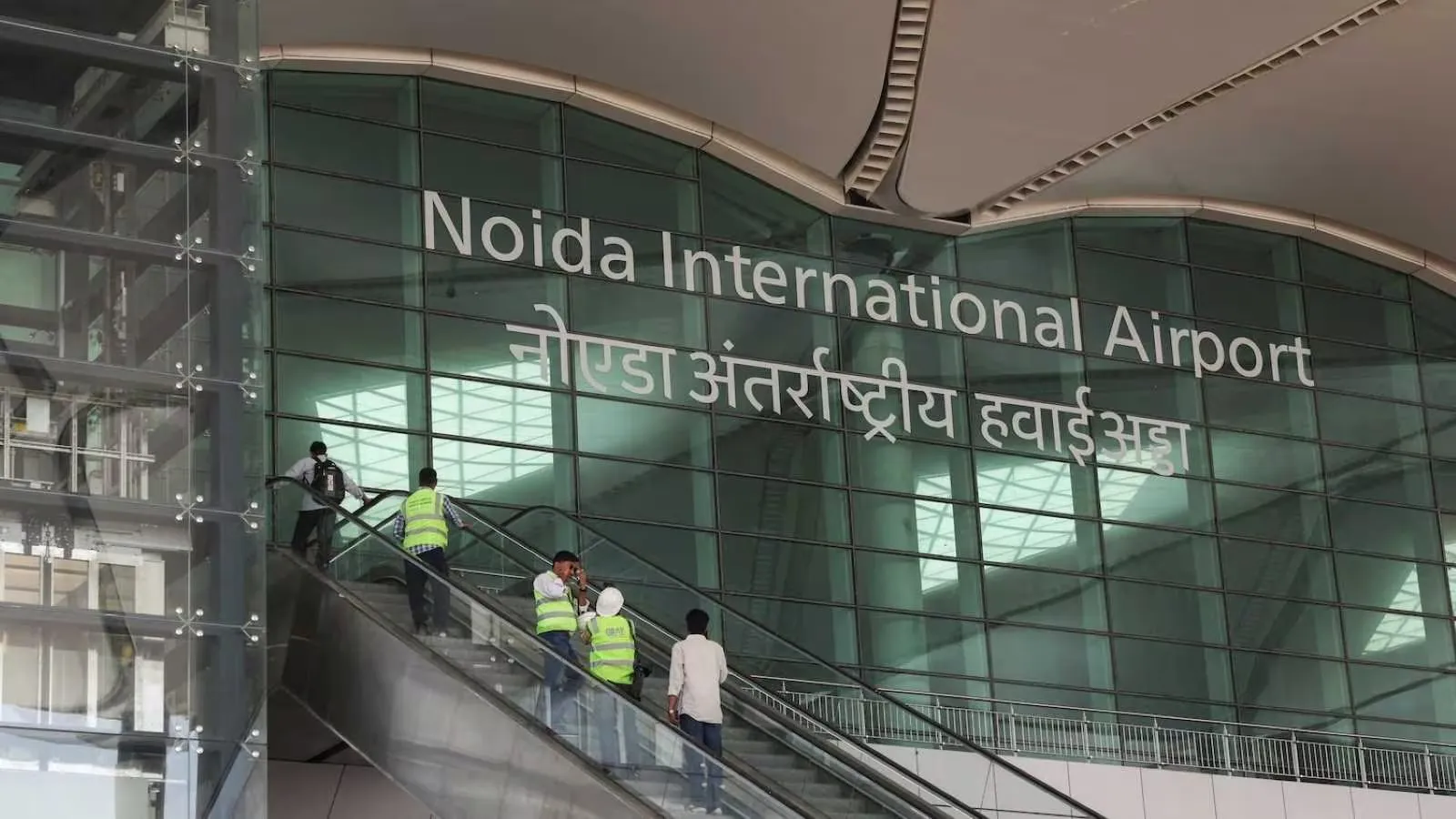
Noida International Airport, also known as Jewar Airport, began commercial operations on 15 June 2026 after roughly four years of construction. Positioned as a new aviation gateway for North India and an economic catalyst for Uttar Pradesh, the airport launched with services from IndiGo and Akasa Air. It currently handles around 17 domestic routes.
In its half-year 2026 investor materials, Zurich Airport noted that the initial months have delivered a more gradual build-up of flights and passengers than originally projected. Early figures illustrate the measured pace: June recorded 104 flights and approximately 25,000 passengers, rising to 1,044 flights and 77,000 passengers in July. The facility is expected to contribute a negative EBITDA in its first year of operation.
Geopolitical Headwinds and Industry Caution
The operationalisation of the airport coincides with significant strain on the global and Indian aviation sectors. The ongoing crisis in West Asia has led to airspace restrictions, higher fuel costs and capacity adjustments by carriers. Indian airlines, already navigating the effects of closed Pakistani airspace on certain western routes and a weaker rupee, have responded by pruning schedules and deferring network expansion plans.
Zurich Airport has explicitly linked the slower ramp-up at Noida to this environment. Management has indicated that the Indian market has been more affected by Middle East-related disruptions than some other regions. Airspace closures, elevated operating costs and a more volatile planning climate have made airlines cautious about committing capacity to a new airport while demand growth remains soft.
Additional Local Factors
Beyond geopolitics, several domestic factors have contributed to the tempered start. Delhi’s Indira Gandhi International Airport continues to operate well below its expanded capacity, reducing the immediate pressure for airlines to shift flights to a second airport in the National Capital Region. Connectivity between Noida Airport and central Delhi also remains a work in progress, limiting its convenience for some passengers in the early phase.
One of the intended launch carriers, Air India Express, withdrew from the initial plans. The decision reflected broader cost pressures within the Air India group and a reluctance to incur the expenses of establishing a new base at a time of financial strain. As a result, the airport opened with a narrower airline footprint than first envisaged.
Operator’s Long-Term Stance
Despite the near-term challenges, Zurich Airport has maintained a positive medium- and long-term outlook. The concession for Noida International Airport runs until 2061, giving the operator a multi-decade horizon. Company executives have described the slower start as a delay rather than a fundamental change in the project’s prospects. They point to India’s large population, rapid underlying demand growth in aviation, and a substantial order book of aircraft as structural supports that remain intact.
The route network is expected to expand gradually, with international services planned to follow the domestic foundation. Management has indicated that passenger numbers for the full year 2026 are projected around one million, though this figure carries notable uncertainty given the external environment. Break-even is anticipated in subsequent years as traffic builds.
Financial Implications for the Group
The Noida project is already visible in Zurich Airport’s group accounts. Additional depreciation and financing costs associated with the new airport are expected to weigh on consolidated profitability in 2026 and 2027. The operator has signalled that these costs, combined with other factors such as adjusted airport charges at its Zurich hub, will result in lower net profit in the near term even as the core Swiss business remains robust.
In its half-year reporting, the group recorded a strong underlying performance at Zurich Airport itself, but the international expansion, particularly the Noida ramp-up, has introduced a temporary drag. Investors have taken note of the more cautious guidance around the Indian asset.
Broader Context for Indian Aviation
Noida International Airport is the first major second airport to open in an Indian metropolitan region where the primary hub still has substantial spare capacity. Previous greenfield airports in cities such as Bengaluru and Hyderabad benefited from the closure or severe constraint of older facilities. Noida must instead compete for traffic in a market where airlines are currently prioritising cost control over rapid expansion.
The current environment of higher fuel prices, route disruptions and softer domestic growth has made that competition more difficult in the short run. At the same time, the structural case for additional capacity in the National Capital Region remains strong. As the wider aviation sector stabilises and airlines resume growth plans, the new airport is positioned to capture a share of rising demand.
Balancing Caution and Confidence
Zurich Airport’s public messaging reflects a clear distinction between present conditions and future expectations. The operator has acknowledged a slower ramp-up driven by geopolitical headwinds and the resulting caution among airlines. Near-term traffic and financial contribution will therefore lag earlier internal assumptions.
Yet the same communications emphasise unchanged confidence in India’s aviation fundamentals and in Noida’s role as a long-term gateway. The coming winter timetable and the gradual addition of routes, including eventual international services, will provide the next tests of how quickly the airport can accelerate. For now, the message from the Swiss operator is one of measured progress against a difficult external backdrop, underpinned by a multi-decade commitment to the Indian market.
Read more – Instantdua.com