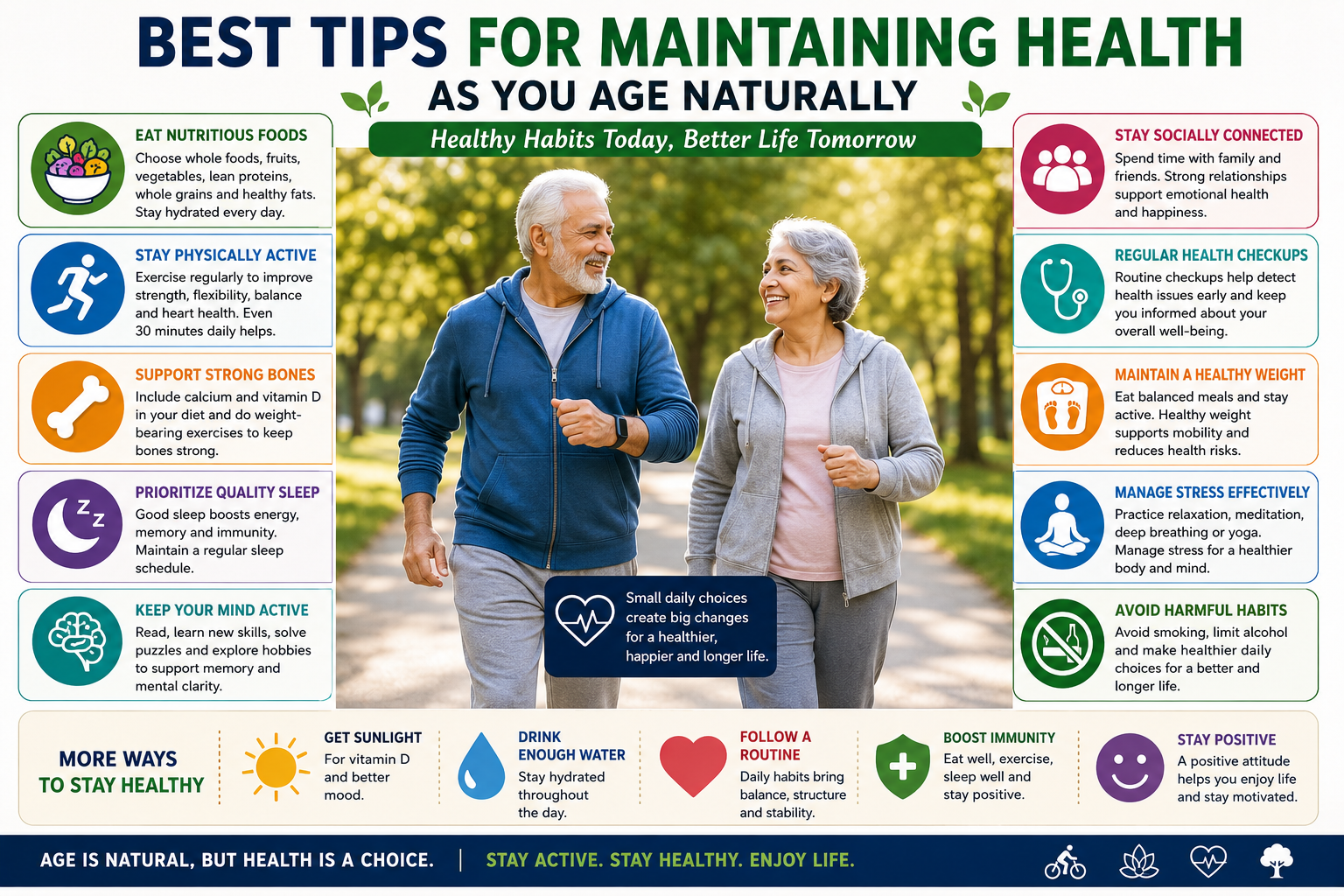
Aging is a natural part of life, and maintaining good health as you grow older plays an important role in enjoying a more active, independent, and fulfilling lifestyle. While aging brings physical and emotional changes, adopting healthy habits can help support overall well-being and improve quality of life.
Healthy aging is not only about preventing illness; it is also about maintaining strength, mobility, mental sharpness, emotional balance, and social connections. Small daily choices related to nutrition, exercise, sleep, and lifestyle can have a significant impact on how people feel and function as they age.
As people get older, their health needs may change. Understanding these changes and making positive adjustments can help individuals stay energetic, confident, and engaged in everyday activities.
Understand the Importance of Healthy Aging
Healthy aging means supporting physical, mental, and emotional well-being while adapting to changes that come with age. The goal is not to stop aging but to maintain the best possible health and independence throughout life.
Aging can affect muscle strength, bone density, metabolism, vision, hearing, and energy levels. However, regular healthy habits can help slow certain age-related changes and support better body function.
Maintaining health requires a balanced approach that includes proper nutrition, regular movement, preventive healthcare, mental stimulation, and positive lifestyle choices.
Maintain a Balanced and Nutritious Diet
Nutrition becomes increasingly important as people age because the body may require different amounts of nutrients to support health and energy.
A balanced diet should include a variety of foods that provide essential nutrients such as proteins, vitamins, minerals, fiber, and healthy fats.
Protein-rich foods support muscle maintenance, which becomes especially important because muscle strength can naturally decrease with age. Fruits, vegetables, whole grains, and other nutrient-rich foods support overall body function.
Older adults should also pay attention to hydration because the sensation of thirst may decrease with age, increasing the risk of inadequate fluid intake.
Healthy eating habits can support energy levels, digestion, immunity, and overall wellness.
Stay Physically Active
Regular physical activity is one of the most effective ways to maintain health as you age. Exercise supports muscle strength, flexibility, balance, heart health, and mobility.
Physical activity does not always require intense workouts. Activities such as walking, swimming, cycling, stretching, yoga, and strength exercises can provide significant benefits.
Strength training is particularly valuable because maintaining muscle strength supports daily activities such as climbing stairs, carrying objects, and maintaining balance.
Before starting a new exercise routine, individuals should consider their fitness level and choose activities that are safe and suitable for their needs.
Focus on Maintaining Strong Bones
Bone health becomes increasingly important with age because bone density can naturally decrease over time. Strong bones help support movement and reduce the risk of fractures.
A healthy lifestyle that includes regular physical activity, adequate calcium intake, and sufficient vitamin D can support bone strength.
Weight-bearing exercises, such as walking and resistance training, can help maintain bone health by encouraging the body to support and strengthen bones.
Taking care of bone health early and consistently can contribute to better mobility later in life.
Prioritize Quality Sleep
Good sleep is essential for physical recovery, mental function, and emotional well-being. As people age, sleep patterns may change, but maintaining healthy sleep habits remains important.
Poor sleep can affect energy levels, concentration, mood, and overall health.
Creating a comfortable sleep environment, following a consistent sleep schedule, limiting excessive screen use before bedtime, and maintaining a relaxing nighttime routine can support better sleep quality.
Adequate rest helps the body recover and supports better daily performance.
Protect Mental and Emotional Health
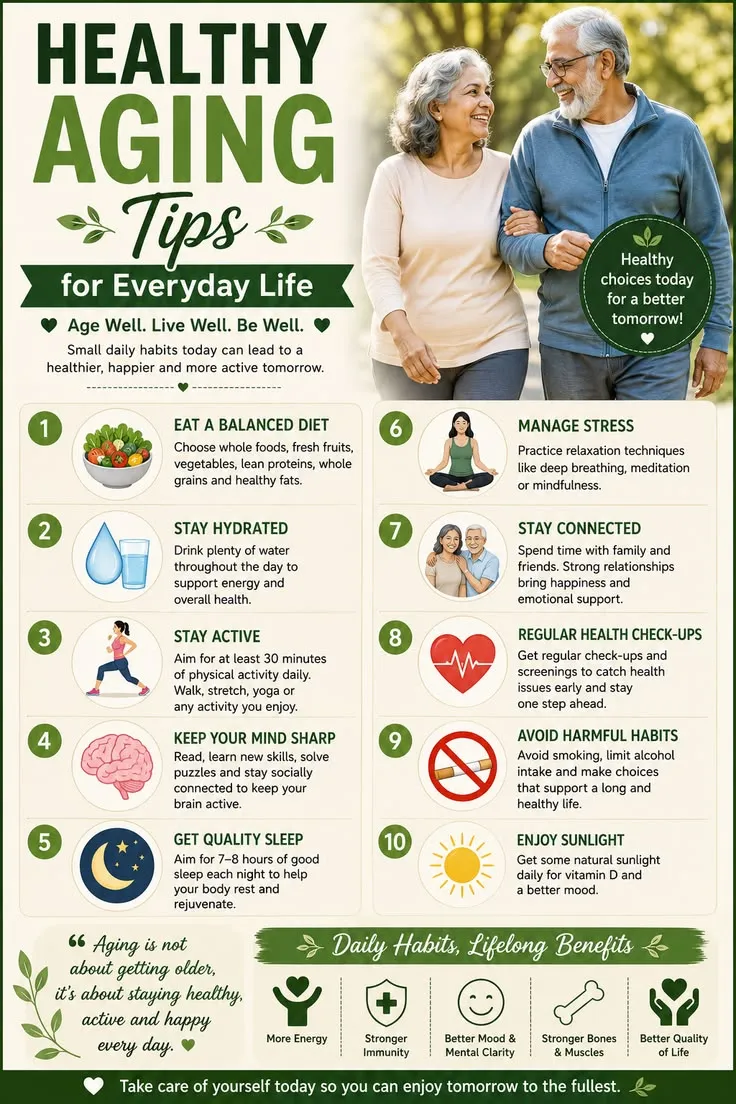
Mental health is an important part of healthy aging. Maintaining a positive mindset and taking care of emotional well-being can improve overall quality of life.
Aging may bring changes such as retirement, lifestyle adjustments, or changes in social relationships. Learning to adapt and maintain emotional balance can help individuals manage these transitions.
Activities such as reading, learning new skills, solving puzzles, practicing mindfulness, and engaging in creative hobbies can support mental stimulation.
Maintaining a sense of purpose and staying connected with others can also contribute to emotional wellness.
Stay Socially Connected
Strong social connections are valuable at every stage of life. Maintaining relationships with family, friends, and communities can support emotional health and reduce feelings of isolation.
Social activities provide opportunities for communication, support, and shared experiences.
Participating in community activities, group exercises, volunteering, or hobbies can help older adults remain socially active.
Positive relationships contribute to happiness, confidence, and a stronger sense of belonging.
Schedule Regular Health Checkups
Preventive healthcare plays an important role in healthy aging. Regular medical checkups allow individuals to monitor their health and identify potential concerns early.
Routine health evaluations can help manage conditions, track important health indicators, and discuss lifestyle improvements.
Regular vision, hearing, dental, and general health assessments are important because changes in these areas can affect daily activities and independence.
Being proactive about healthcare allows individuals to take better control of their well-being.
Maintain Healthy Weight Management
Maintaining a healthy weight can support mobility, energy levels, and overall health. Significant weight changes may affect physical strength and increase health risks.
A balanced approach that combines nutritious eating habits and regular activity is more effective than extreme diets.
Healthy weight management should focus on long-term habits rather than quick changes.
Keep the Brain Active
The brain benefits from regular stimulation throughout life. Mental activities can support memory, focus, and cognitive abilities.
Learning new skills, reading, engaging in discussions, playing strategy games, and exploring new interests can keep the mind active.
A curious mindset encourages continuous learning and helps maintain mental engagement.
Avoid Harmful Lifestyle Habits
Certain lifestyle habits can negatively affect health as people age. Avoiding harmful behaviors and making healthier choices can improve long-term well-being.
Limiting excessive alcohol consumption, avoiding smoking, managing stress, and maintaining a healthy routine support better physical and mental health.
Positive lifestyle changes can provide benefits at any age.
Manage Stress Effectively
Stress management is an important part of healthy aging. Long-term stress can affect physical health, sleep quality, and emotional balance.
Relaxation techniques such as deep breathing, meditation, gentle exercise, spending time in nature, and engaging in enjoyable activities can help manage stress.
Finding healthy ways to handle challenges supports emotional resilience and overall wellness.
Maintain Independence Through Daily Habits
Independence is an important part of quality aging. Maintaining strength, mobility, and confidence helps individuals continue performing daily activities.
Simple habits such as staying active, organizing routines, maintaining a safe living environment, and developing healthy skills can support independence.
Taking care of physical and mental health allows people to enjoy greater freedom and confidence as they age.
Frequently Asked Questions (FAQs)
What is the most important habit for healthy aging?
Maintaining a balanced lifestyle that includes regular exercise, healthy nutrition, good sleep, and preventive healthcare is important for healthy aging.
Can exercise improve health in older adults?
Yes, regular physical activity can support strength, balance, flexibility, heart health, and overall well-being at any age.
How can older adults maintain mental health?
Staying socially connected, learning new skills, managing stress, and engaging in enjoyable activities can support mental and emotional health.
Conclusion
Maintaining health as you age requires consistent effort and positive lifestyle choices. Aging is a natural process, but healthy habits can help individuals remain active, independent, and confident throughout life.
A balanced diet, regular exercise, quality sleep, preventive healthcare, mental stimulation, and strong relationships all contribute to better aging.
The key to enjoying a better quality of life is not focusing only on adding years to life but also adding health, energy, and happiness to those years. By making small improvements every day, individuals can support their long-term well-being and enjoy a healthier future.