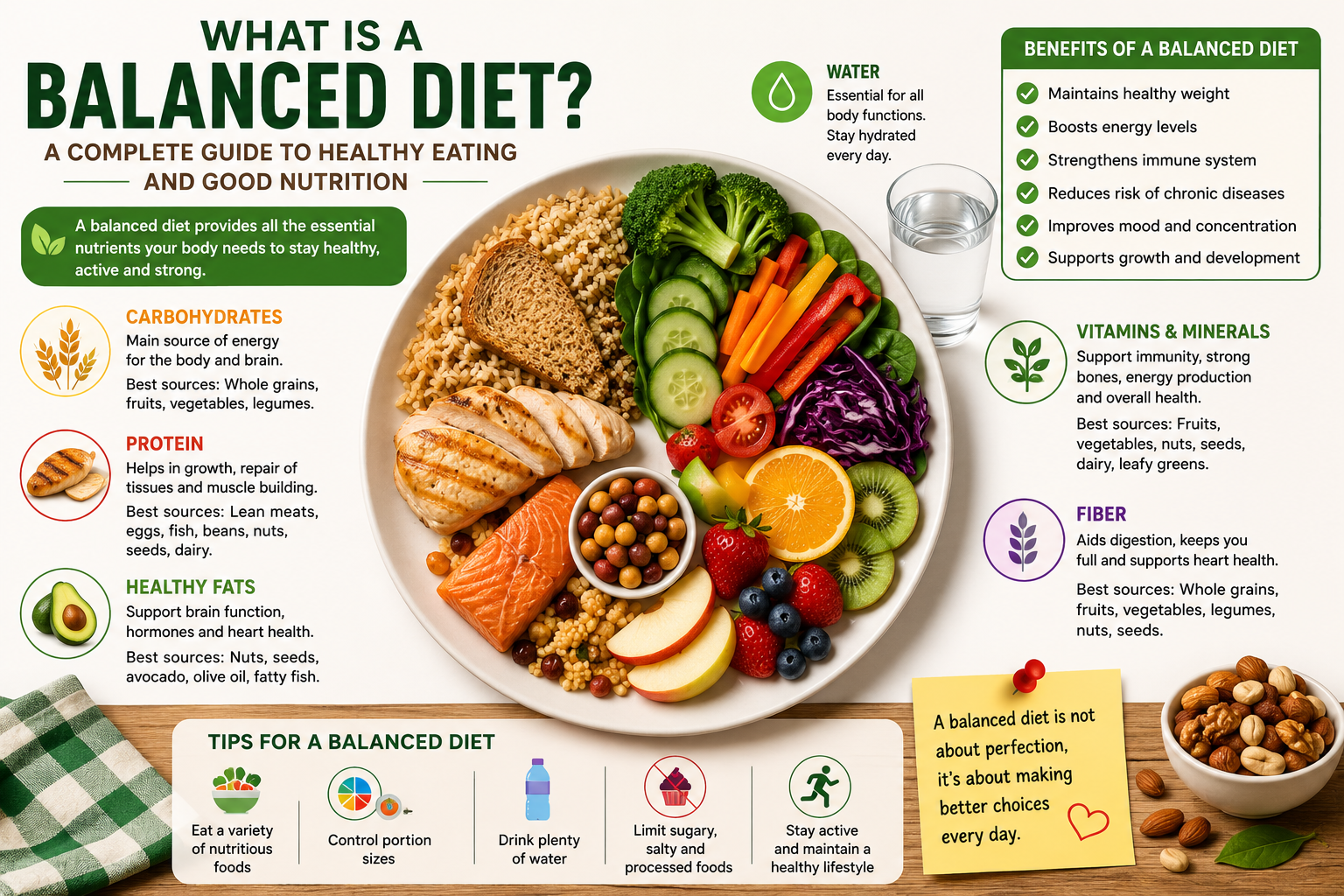
A balanced diet is the foundation of good health and overall well-being. The food we eat provides the body with the energy and nutrients needed to perform daily activities, maintain bodily functions, and protect against diseases. In today’s fast-paced world, many people rely on processed foods and unhealthy eating habits, which can lead to nutritional deficiencies, obesity, and various chronic health conditions. Understanding the importance of a balanced diet is essential for making healthier food choices and maintaining long-term wellness.
A balanced diet does not mean following strict eating plans or completely avoiding favorite foods. Instead, it involves consuming a variety of nutrient-rich foods in appropriate amounts to provide the body with all the essential nutrients it needs. By adopting healthy eating habits and maintaining dietary balance, individuals can improve their physical health, mental well-being, and overall quality of life.
Understanding the Meaning and Importance of a Balanced Diet
A balanced diet is one that provides the body with the right amounts of carbohydrates, proteins, fats, vitamins, minerals, fiber, and water. Each of these nutrients performs specific functions that contribute to growth, energy production, immune support, and the proper functioning of organs and tissues.
The human body cannot produce many essential nutrients on its own, which is why obtaining them through food is necessary. A balanced diet helps maintain a healthy weight, strengthens the immune system, improves energy levels, and reduces the risk of developing chronic diseases such as heart disease, diabetes, and high blood pressure. Proper nutrition also plays an important role in supporting mental health and cognitive function.
The Role of Carbohydrates in Providing Energy
Carbohydrates are the body’s primary source of energy and are essential for supporting daily activities and brain function. When consumed, carbohydrates are broken down into glucose, which is used by cells to produce energy.
Healthy sources of carbohydrates include whole grains, fruits, vegetables, and legumes. These foods also provide fiber, vitamins, and minerals that contribute to overall health. While carbohydrates are often misunderstood, they are an important part of a balanced diet when consumed in appropriate amounts and from nutritious sources. Choosing complex carbohydrates over highly processed sugary foods can help maintain stable energy levels and support long-term health.
Why Protein Is Essential for Growth and Repair
Protein is an important nutrient responsible for building and repairing tissues, supporting muscle growth, and producing enzymes and hormones. Every cell in the body contains protein, making it essential for maintaining overall health and proper bodily functions.
Protein can be obtained from both animal and plant-based sources, including lean meats, fish, eggs, dairy products, legumes, nuts, and seeds. Adequate protein intake supports muscle maintenance, promotes satiety, and helps the body recover from physical activity and illness. Including sufficient protein in daily meals is essential for people of all ages, particularly children, older adults, and physically active individuals.
Understanding the Importance of Healthy Fats in the Diet
Fats often have a negative reputation, but they are an essential part of a balanced diet. Healthy fats provide energy, support brain function, help absorb certain vitamins, and contribute to the production of important hormones.
Sources of healthy fats include nuts, seeds, avocados, olive oil, and fatty fish. These fats can support heart health and contribute to overall well-being when consumed in moderation. However, excessive intake of saturated and trans fats may increase the risk of certain health problems. Maintaining a healthy balance of fats is important for achieving optimal nutrition and supporting long-term health.
The Essential Role of Vitamins and Minerals in Maintaining Health
Vitamins and minerals are micronutrients that the body requires in small amounts but are crucial for maintaining normal bodily functions. They support immune health, bone strength, energy production, and many other essential processes.
Fruits and vegetables are rich sources of vitamins and minerals and should form an important part of a balanced diet. Calcium supports healthy bones and teeth, iron is essential for carrying oxygen throughout the body, and vitamin C contributes to immune function and wound healing. Consuming a variety of colorful foods helps ensure that the body receives a wide range of essential nutrients.
Why Fiber Is Important for Digestive Health
Dietary fiber is a type of carbohydrate that the body cannot fully digest. Although it does not provide energy in the same way as other nutrients, fiber plays a vital role in maintaining digestive health and supporting overall wellness.
Fiber helps regulate bowel movements, promotes feelings of fullness, and can contribute to healthy cholesterol and blood sugar levels. Foods rich in fiber include whole grains, fruits, vegetables, legumes, nuts, and seeds. Including adequate amounts of fiber in daily meals supports digestive health and may reduce the risk of certain chronic diseases.
The Importance of Staying Hydrated for Overall Well-Being
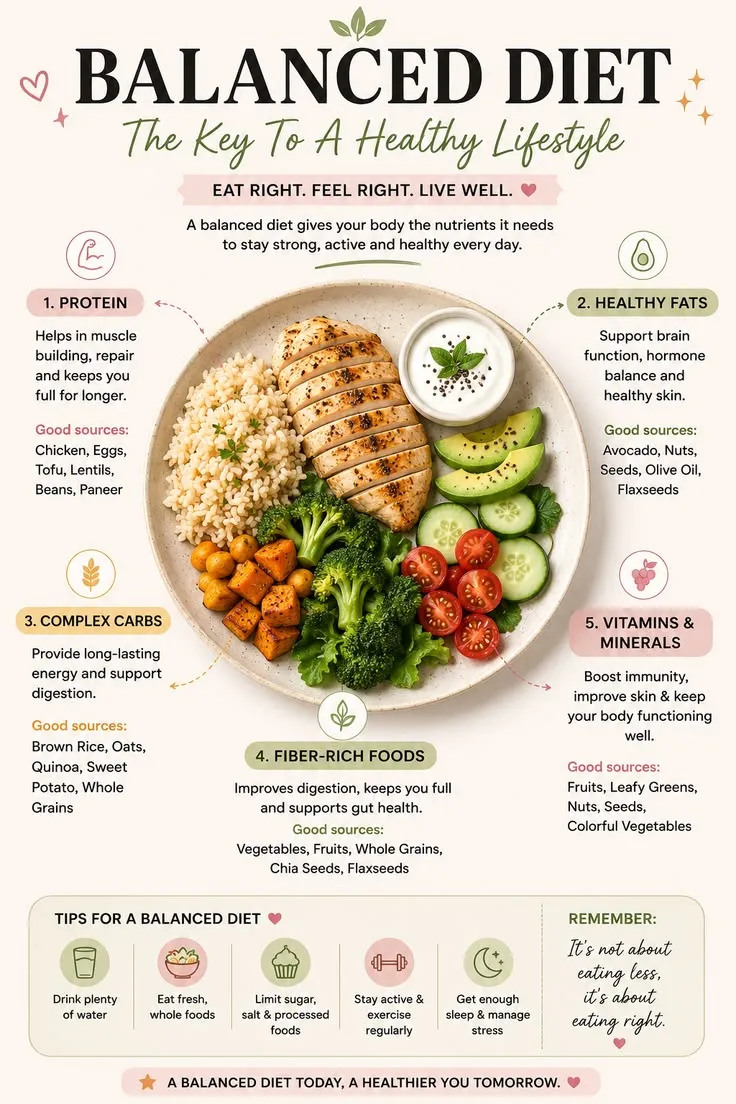
Water is often overlooked as a nutrient, but it is essential for life and plays a role in nearly every bodily function. Proper hydration supports digestion, regulates body temperature, transports nutrients, and helps remove waste products from the body.
The amount of water an individual needs may vary depending on age, activity level, and environmental conditions. Drinking sufficient water throughout the day is important for maintaining energy levels, supporting physical performance, and promoting overall health. Choosing water instead of sugary beverages can also contribute to better dietary habits and improved wellness.
Building a Balanced Plate for Everyday Nutrition
Creating balanced meals does not need to be complicated. A healthy plate generally includes a variety of foods from different food groups to ensure adequate nutrient intake. Fruits and vegetables should occupy a significant portion of the plate, while whole grains and protein-rich foods provide energy and support bodily functions.
Including healthy fats and drinking sufficient water further contributes to nutritional balance. Paying attention to portion sizes and eating a variety of foods can help individuals maintain healthy eating habits without feeling restricted. A balanced plate encourages dietary diversity and supports long-term health.
Common Mistakes That Prevent a Balanced Diet
Many people unintentionally adopt eating habits that make it difficult to maintain a balanced diet. Skipping meals, relying heavily on processed foods, consuming excessive amounts of sugar, and neglecting fruits and vegetables can lead to nutritional imbalances.
Another common mistake is following restrictive diets that eliminate entire food groups without medical necessity. Such approaches can increase the risk of nutrient deficiencies and make healthy eating more difficult to sustain. Focusing on moderation and variety is generally a more effective strategy for achieving long-term nutritional balance.
The Long-Term Benefits of Following a Balanced Diet
Consistently following a balanced diet offers numerous long-term health benefits. Proper nutrition supports healthy growth and development, improves immune function, and contributes to maintaining a healthy body weight. A balanced diet can also lower the risk of developing chronic conditions such as obesity, heart disease, type 2 diabetes, and certain forms of cancer.
In addition to physical health benefits, good nutrition can positively influence mood, concentration, and overall quality of life. Healthy eating habits established early in life often contribute to better health outcomes throughout adulthood and later years.
Conclusion
A balanced diet is one of the most important foundations of good health and well-being. By consuming the right combination of carbohydrates, proteins, healthy fats, vitamins, minerals, fiber, and water, individuals can support their body’s functions and reduce the risk of many health problems.
Healthy eating does not require strict rules or complicated meal plans. Instead, it involves making informed food choices, eating a variety of nutrient-rich foods, and maintaining moderation in daily eating habits. By understanding the principles of a balanced diet and applying them consistently, individuals can improve their health, increase their energy levels, and enjoy a better quality of life for years to come.