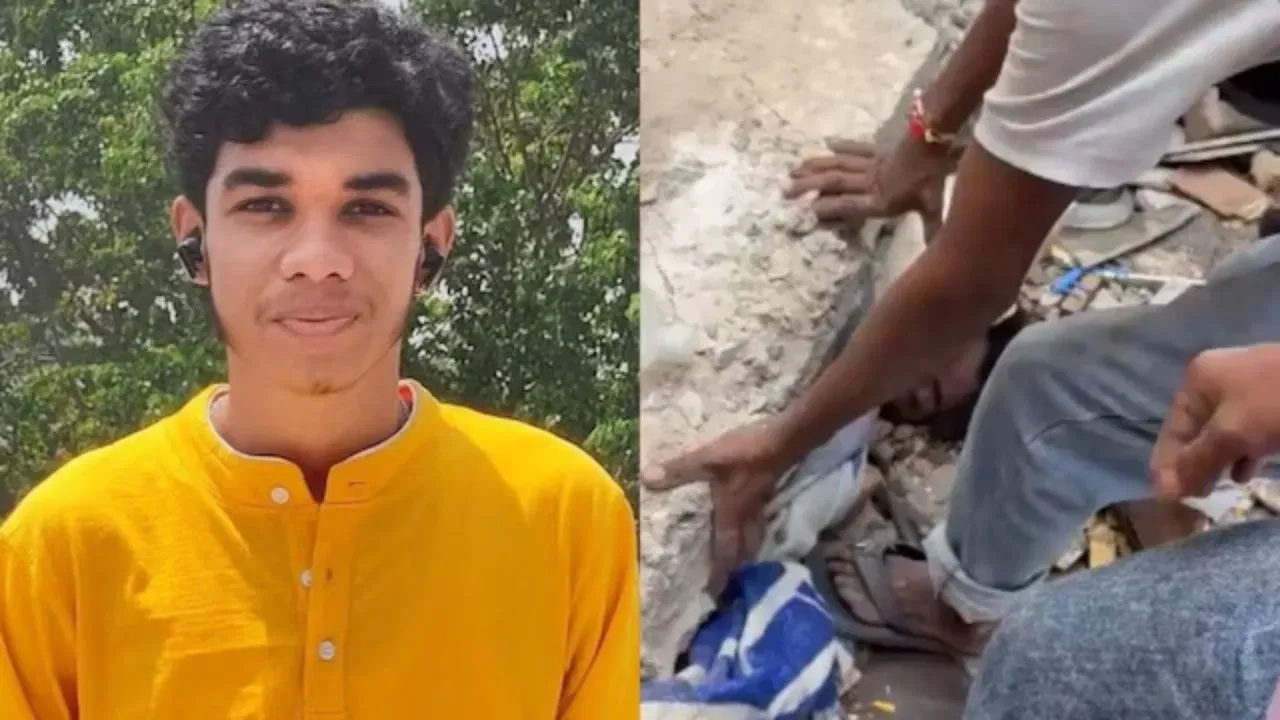
Yuvraj Soni left his home in Durg, Chhattisgarh, with a clear goal. He wanted to become a chartered accountant. A second-year B.Com student at Delhi University’s Motilal Nehru College (Evening), he had moved to the capital about a year earlier to prepare for the demanding CA examinations while completing his undergraduate degree. On 6 September 2026, that ambition ended when the five-storey building housing his paying guest accommodation in Satya Niketan collapsed, killing him and six others.
A Young Life Defined by Ambition
Yuvraj was 20 years old and the son of a local pharmacy owner. He was one of two siblings and was described by friends and relatives as quiet, focused and hardworking. He had already cleared the CA Foundation examination earlier in the year, a significant first step on the long path to qualification. After college classes he and his friends would sometimes explore the city, visiting places such as Qutub Minar and sharing simple meals. Those ordinary moments now stand as the last ordinary memories his friends hold.
He had spent Raksha Bandhan with his family in Durg before returning to Delhi on 31 August. Shortly after arriving back, he shifted into the PG in Satya Niketan, seeking a location closer to his South Campus college so that the daily commute would no longer consume precious study time. Within days of moving in, the building came down.
The Afternoon the Building Fell
Around 1.30 pm on Sunday, 6 September, the multi-storey structure known as Hostel Daze collapsed while repair and renovation work was underway in the basement and ground floor. The building, roughly five decades old, had additional floors constructed beyond its original load-bearing capacity. Students and labourers were trapped under the debris. Rescue operations continued for more than 27 hours. Seven people died: five students, including Yuvraj, and two labourers. Five others were injured, some critically.
Yuvraj’s family in Durg remained unaware of the tragedy for hours. His cousin later recounted that the household only gradually pieced together what had happened. When the family reached Delhi and identified his body at the hospital, the shock was compounded. His father, Kanhaiya Soni, fell ill and had to be hospitalised after his blood pressure dropped. Relatives struggled with the dual burden of grief and caring for the ailing father while arranging to take Yuvraj home.
One of Yuvraj’s childhood friends was speaking to him on the phone at the moment the building gave way. The conversation, which had begun with ordinary plans about the pleasant weather and going out, was interrupted by a sudden, terrifying sound. The call disconnected. Repeated attempts to reach Yuvraj brought no response. The friend later rushed to the site and searched among the rescue teams, only to learn hours later that Yuvraj was among the dead.
The Larger Pattern of Risk for Outstation Students
Yuvraj’s story is one of five student deaths in the same incident. The victims came from different states—Chhattisgarh, Uttar Pradesh and Madhya Pradesh—each having travelled to Delhi in pursuit of higher education and professional qualifications. Many outstation students at Delhi University face a severe shortage of official hostel seats. As a result, large numbers depend on private paying guest accommodations clustered around campuses, particularly in areas such as Satya Niketan near the South Campus.
These PGs often operate in ageing buildings where additional floors have been added over time to maximise rental income. Safety standards, structural audits and fire exits frequently receive inadequate attention. In the case of the collapsed building, tenant agreements reportedly included clauses stating that the operators would not be responsible for casualties or risks. Repair work was being carried out even as the structure’s foundation was already under strain.
The Municipal Corporation of Delhi suspended several officials after the collapse. The building owners and family members were arrested. A magisterial inquiry and court directions for wider structural inspections of PG accommodations followed. Yet the underlying pressure remains: limited university housing continues to push students into the private market, where commercial incentives can outweigh safety considerations.
Dreams Interrupted and Questions Left Behind
For Yuvraj’s family, the loss is both immediate and enduring. A young man who had returned home for a festival, shared ordinary conversations with friends, and steadily prepared for a professional career is no longer there. His father, already unwell, faces the additional weight of irreversible news. Friends remember a studious companion who balanced college, CA preparation and the small pleasures of life in a new city.
The collapse has forced a wider conversation about student safety in the national capital. Families who send their children to Delhi for education now confront the reality that a place meant to provide shelter can become a source of mortal danger. Regulatory responses—suspensions, arrests, ordered audits—address the immediate aftermath. The deeper requirement is sustained enforcement of building codes, regular structural assessments of student housing, and an expansion of safe, affordable institutional accommodation so that outstation students are not left dependent on unregulated private facilities.
Yuvraj Soni left Durg with a clear purpose. He wanted to become a chartered accountant and build a future through education. The building that was supposed to house him while he worked toward that goal collapsed, taking his life and the lives of others who shared similar aspirations. His story stands as a stark reminder of the human cost when infrastructure and regulation fail to keep pace with the hopes of young people who travel far from home to study.
Read more – amazonsalesday.org